Jiu-Jitsu trains your mind to stay calm under pressure, then teaches your body to follow.
In Huntington Beach, life moves fast in a very normal, everyday way: school drop-offs, after-school activities, sports, work meetings, traffic on Adams, and somehow still trying to squeeze in family time. When your schedule is full, “mindset” can sound like a nice idea that never makes it onto the calendar. Our experience is the opposite. The right training environment turns focus, positivity, and resilience into skills you can practice, not personality traits you either have or you do not.
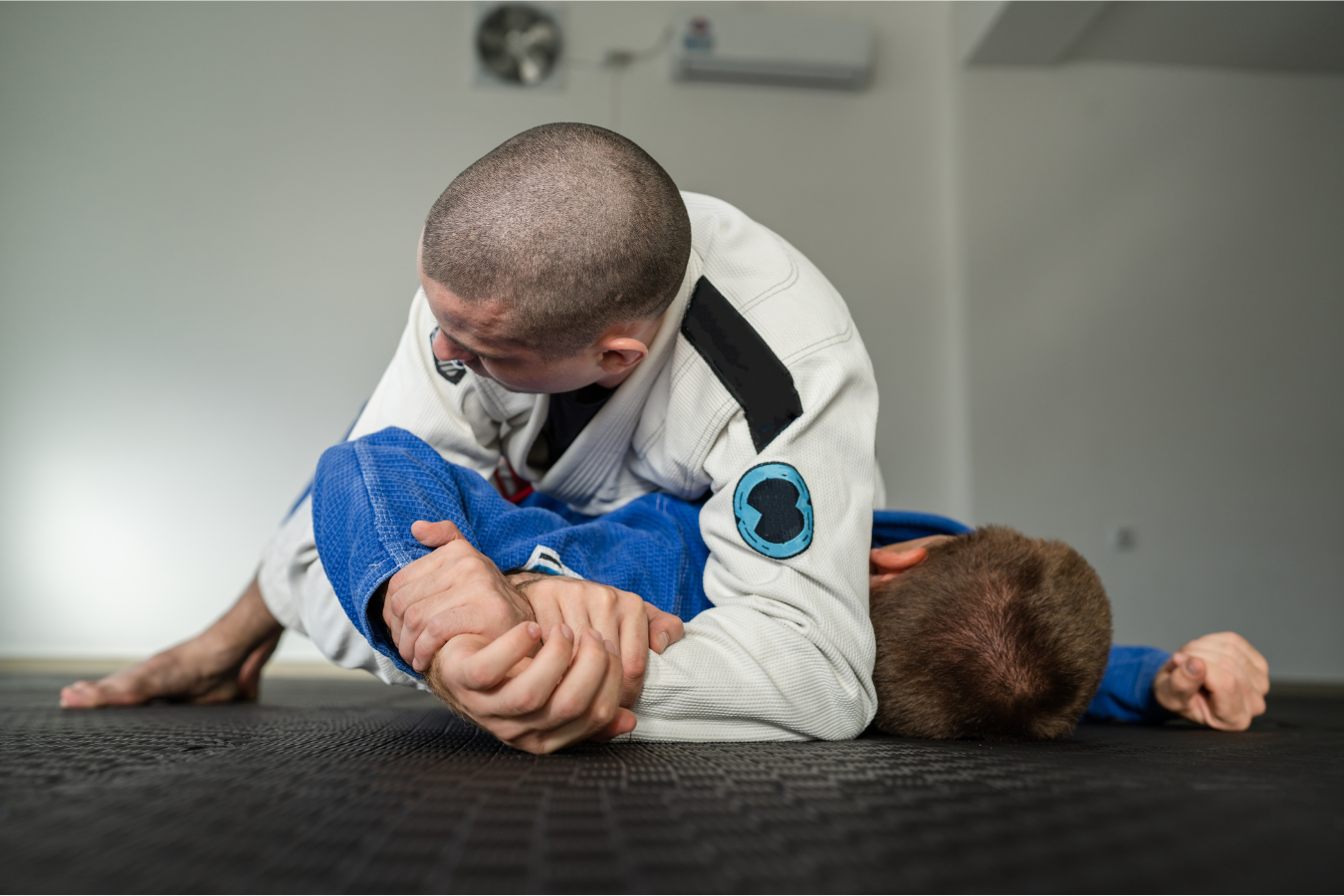
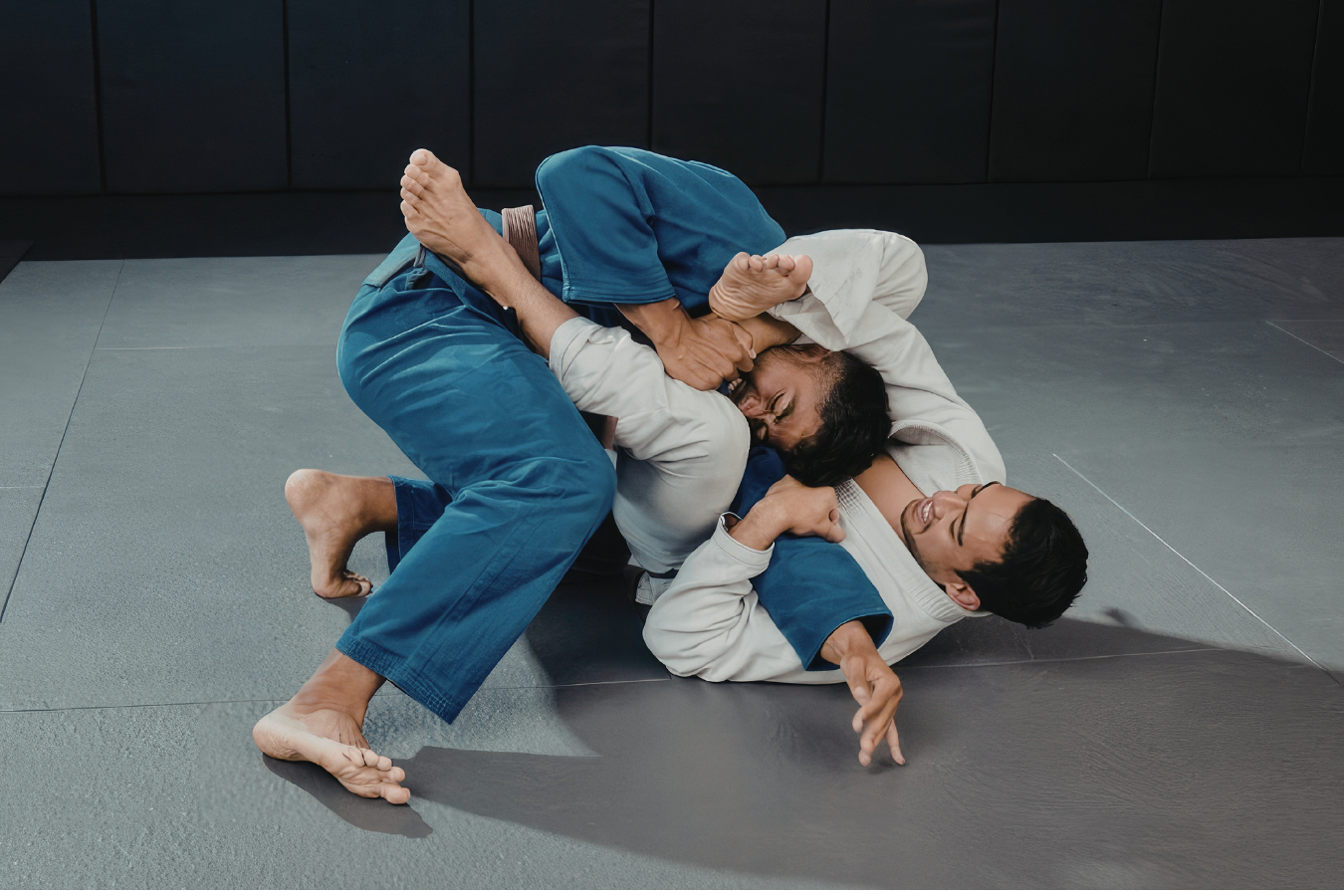
That is where Jiu-Jitsu stands out. Yes, you learn real self-defense and grappling fundamentals. But the hidden win is how quickly you start noticing changes in attention, patience, and emotional control. You begin solving problems while your heart rate is up, your muscles are tired, and you still have to think. That is mindset training in its most practical form.
We built our programs in Huntington Beach, CA around that reality: people want training that fits a family routine, supports school and sports performance, and feels welcoming for beginners. From kids to adults, our classes are designed to help you show up consistently, learn safely, and leave feeling more capable than when you walked in.
Why Jiu-Jitsu is a mindset practice, not just a martial art
A lot of activities make you tired. Fewer activities teach you how to think clearly while you are tired. Jiu-Jitsu does. Every round has a built-in lesson: you cannot “force” your way through everything. You have to breathe, stay aware, and make a decision that matches the situation. Over time, that becomes a mental habit.
We coach mindset the same way we coach technique. If you are tense, we help you loosen up so you can move. If you freeze, we give you a simple next step. If you get frustrated, we show you how to reset and try again. That is not motivational talk. It is a repeatable process you train, week after week.
The mental mechanics you practice on the mats
Here is what mindset looks like in real training moments:
• Breathing under pressure: learning to slow down when your brain wants to rush
• Attention control: focusing on one small task instead of ten worries
• Emotional regulation: staying respectful and steady after mistakes
• Recovery speed: getting back to problem-solving quickly when things go wrong
• Consistency: learning that progress is built through attendance, not perfection
Those are the same skills that help you handle school stress, sports nerves, a tough workday, or even just the minor friction of daily life.
Unbreakable focus is built through small, repeatable habits
Focus is not a mood. It is a skill, and we train it in layers. Early on, we keep goals simple and clear: posture, frames, basic movement, and safe engagement. When students try to “do everything,” attention gets scattered. When students train one priority at a time, focus starts to feel natural.
Our classes are structured to encourage that. You get a specific theme, coached repetition, and controlled practice. You also get feedback that is direct but supportive, because confidence grows faster when you know exactly what to improve. In Huntington Beach, where kids and adults are balancing busy weeks and screen-heavy routines, that kind of clarity matters.
A practical focus reset you can use anywhere
We teach a reset that works on the mats and off:
1. Breathe in through your nose for a steady count, then exhale longer than you inhaled
2. Name one job you can do right now (not five)
3. Do that job for thirty seconds with full attention
4. Reassess and choose the next single job
It is simple, maybe almost boring, but it works because it is repeatable. Jiu-Jitsu gives you hundreds of chances to practice it.
Positivity in training does not mean being cheerful all the time
We talk about positivity because we see what happens when students connect effort to progress. Positivity is not pretending everything is easy. It is learning that frustration is information, not a stop sign. In Jiu-Jitsu, you will tap. You will forget steps. You will have days where your timing feels off. And then you show up again, adjust one detail, and suddenly something clicks.
That pattern builds a realistic kind of optimism. You start trusting the process. You stop spiraling when something goes wrong. That matters for kids who melt down after a mistake and for adults who carry stress like it is part of their identity.
We keep the room respectful and family-friendly. Students learn to compete with their past self, not with the person next to them. That shift alone can change how someone approaches school, sports, and social pressure.
Kids Brazilian Jiu-Jitsu in Huntington Beach, CA: mindset by age band
Parents often ask two questions right away: what age can my child start, and will the class help with focus and behavior? We teach kids in a way that matches developmental stages, because a four-year-old and a ten-year-old need different coaching, different pacing, and different expectations.
Our kids program serves ages 4 to 12 with age-appropriate structure. In practice, that means we teach the same core values, but we deliver them differently depending on the group.
Ages 4 to 6: confidence through structure and safe movement
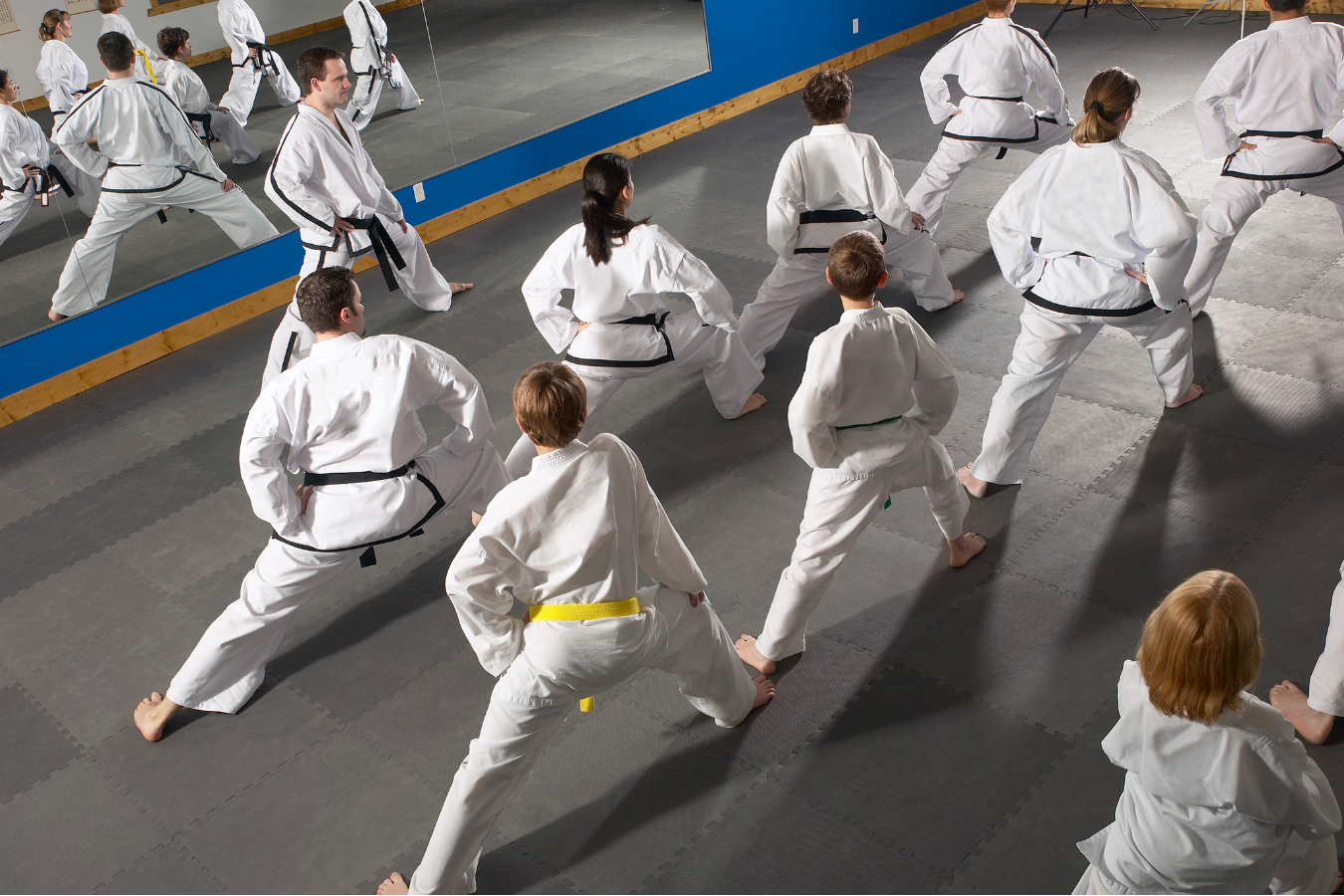
At this age, attention spans are shorter and emotions can be big. We keep instruction clear, visual, and positive. Kids learn how to line up, listen, take turns, and move with control. The mindset win is learning that your body can follow a simple instruction even when you feel excited or nervous.
We focus on coordination, balance, and basic self-defense concepts without overwhelming details. You will often see shy kids warm up over a few classes, not because we push them, but because the routine becomes familiar.
Ages 6 to 9: focus, follow-through, and handling frustration
This is a sweet spot for building habits. Kids can understand steps, but they still need reminders to slow down and stay present. We teach them how to keep a good base, how to protect themselves, and how to practice with a partner responsibly.
Mindset-wise, this age group benefits from learning how to lose a position without losing their attitude. They learn that a mistake is not a crisis. That carries over to homework, team sports, and social situations where confidence can wobble.
Ages 9 to 12: resilience, problem-solving, and calm under pressure
Preteens are capable of more strategy, more patience, and more responsibility. We add layers: timing, transitions, and decision-making. We also emphasize leadership, because kids at this stage influence the room. When they learn how to be a good partner, they learn how to be a good teammate outside the gym too.
This is where “unbreakable focus” starts looking real. Students learn to stay composed, even when they are tired or losing, and they learn how to come back with a plan.
What kids gain in the first 30 days
You can expect noticeable changes early, especially when training becomes part of the weekly routine. In the first month, many families tell us they see practical improvements, not just excitement about a new activity.
Common wins we work toward in the first 30 days include:
• Better listening: responding to the coach faster and with less repetition
• Improved coordination: smoother movement, balance, and body awareness
• Stronger confidence: trying techniques without freezing or giving up
• More patience: waiting turns, following sequences, and resetting after mistakes
• A healthier routine: showing up on time and knowing what to expect
Progress is not always linear, especially for kids, but consistency creates momentum quickly.
Adult training: focus, stress relief, and real self-defense
Adults come to us for different reasons: fitness, self-defense, a new challenge, or a hobby that feels meaningful. Whatever your reason, the mindset benefits show up fast. Jiu-Jitsu forces you to be present. You cannot scroll through your thoughts while someone is trying to control your posture. You have to engage with the moment.
We offer a well-rounded training environment that includes Gi and No-Gi Jiu-Jitsu, plus options like wrestling, Muay Thai, and self-defense. That variety helps adults stay motivated and build a broader skill set, especially if you like learning in different ways.
Gi vs No-Gi: what beginners should know
If you are brand new, both are beginner-friendly when coached well, and we guide you into the right starting point.
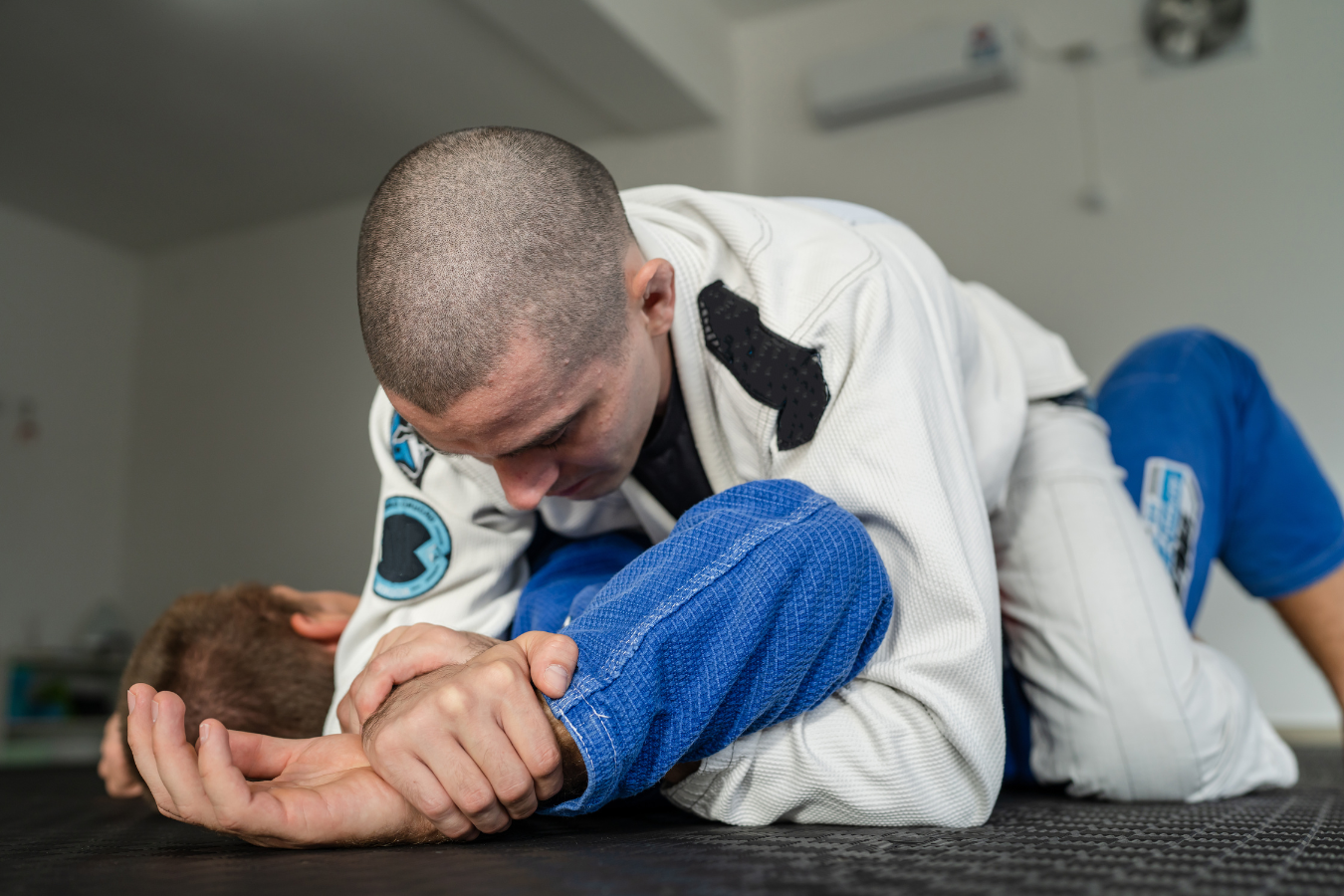
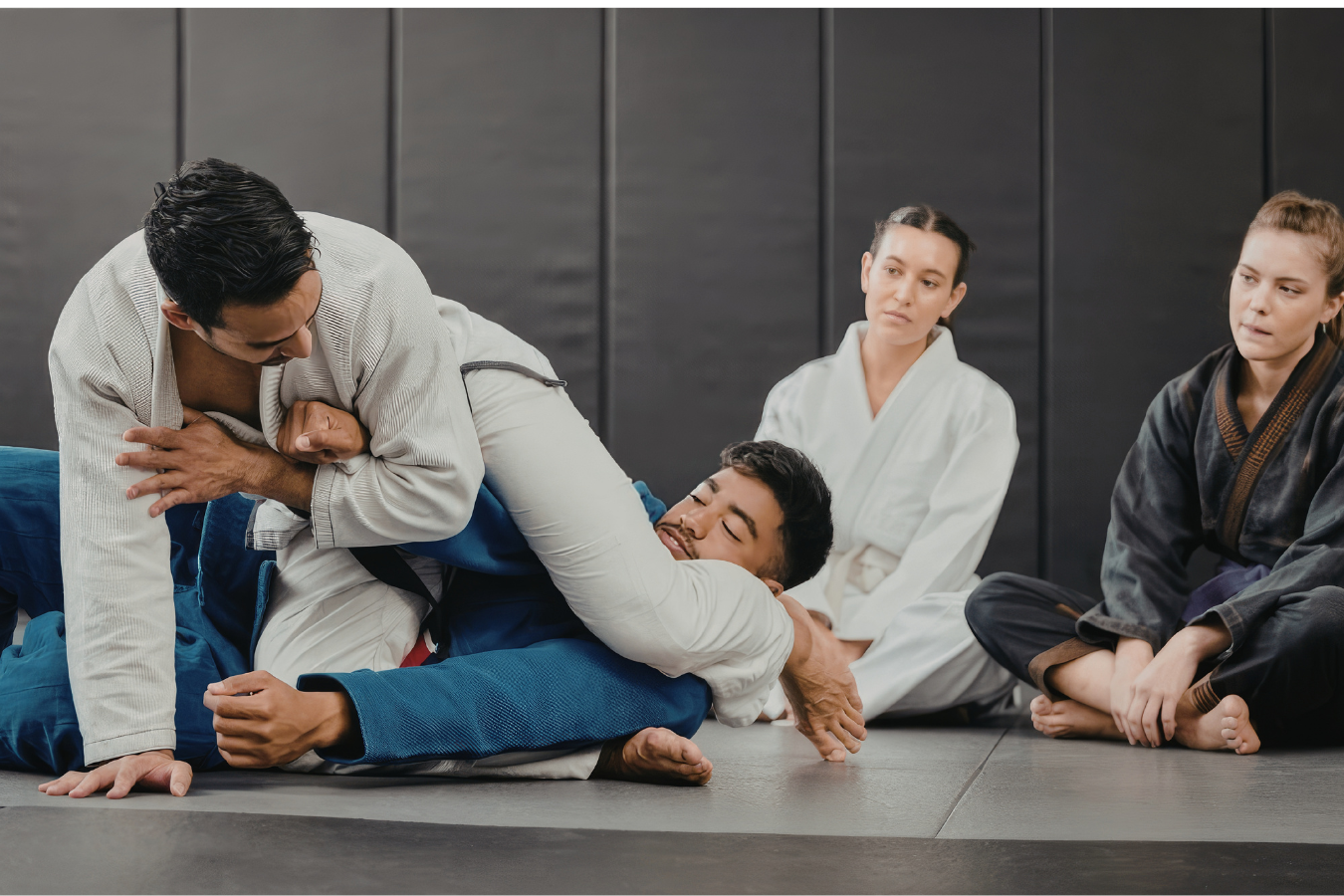
Gi training uses the uniform grips, which can slow things down and make positions feel clearer. No-Gi training removes most cloth grips, so movement and control rely more on body positioning and timing. Many students enjoy doing both because each one strengthens the other, and the mindset lesson is the same: stay calm, solve the problem in front of you, then improve one detail at a time.
What parents can expect from our kids classes in Huntington Beach
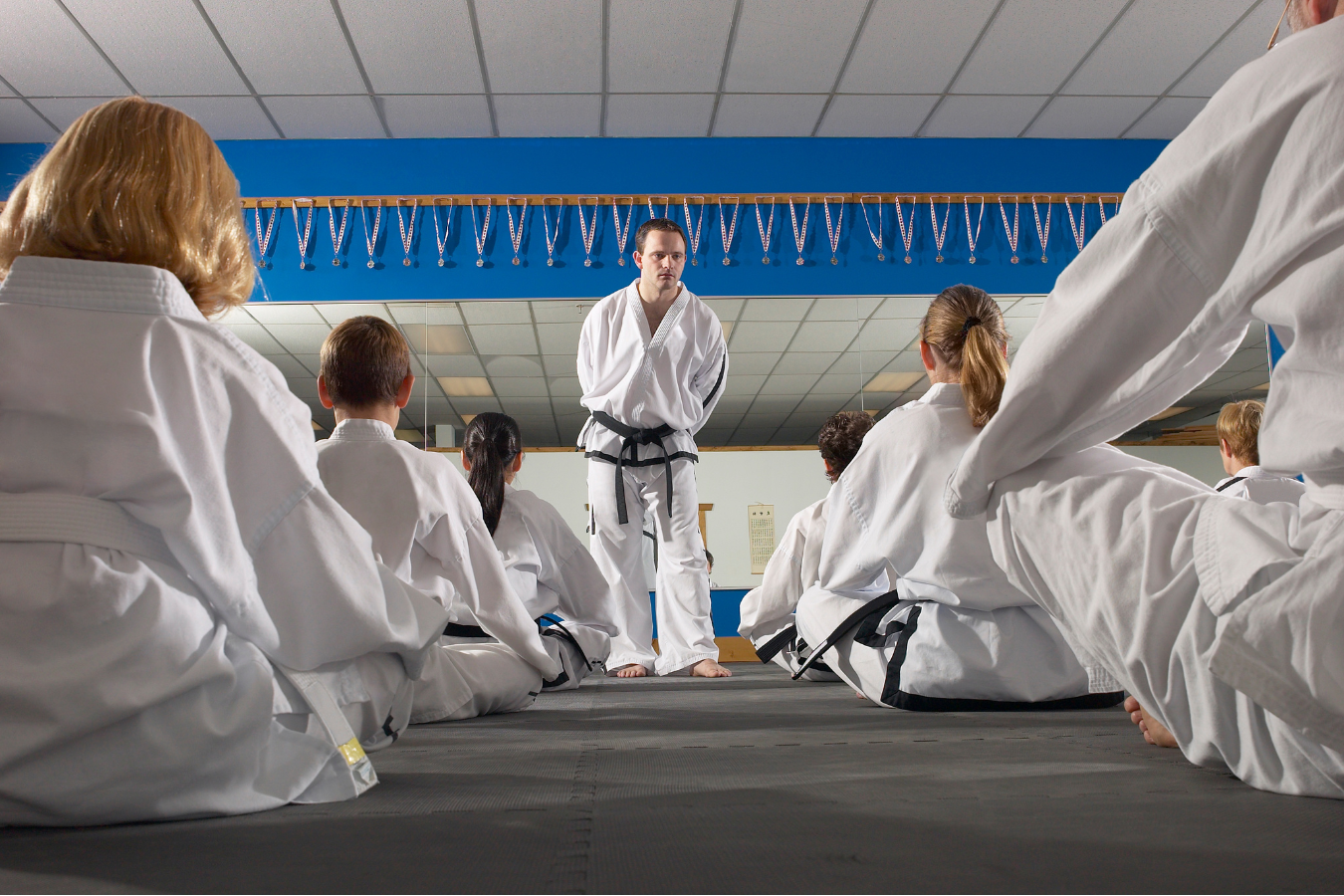
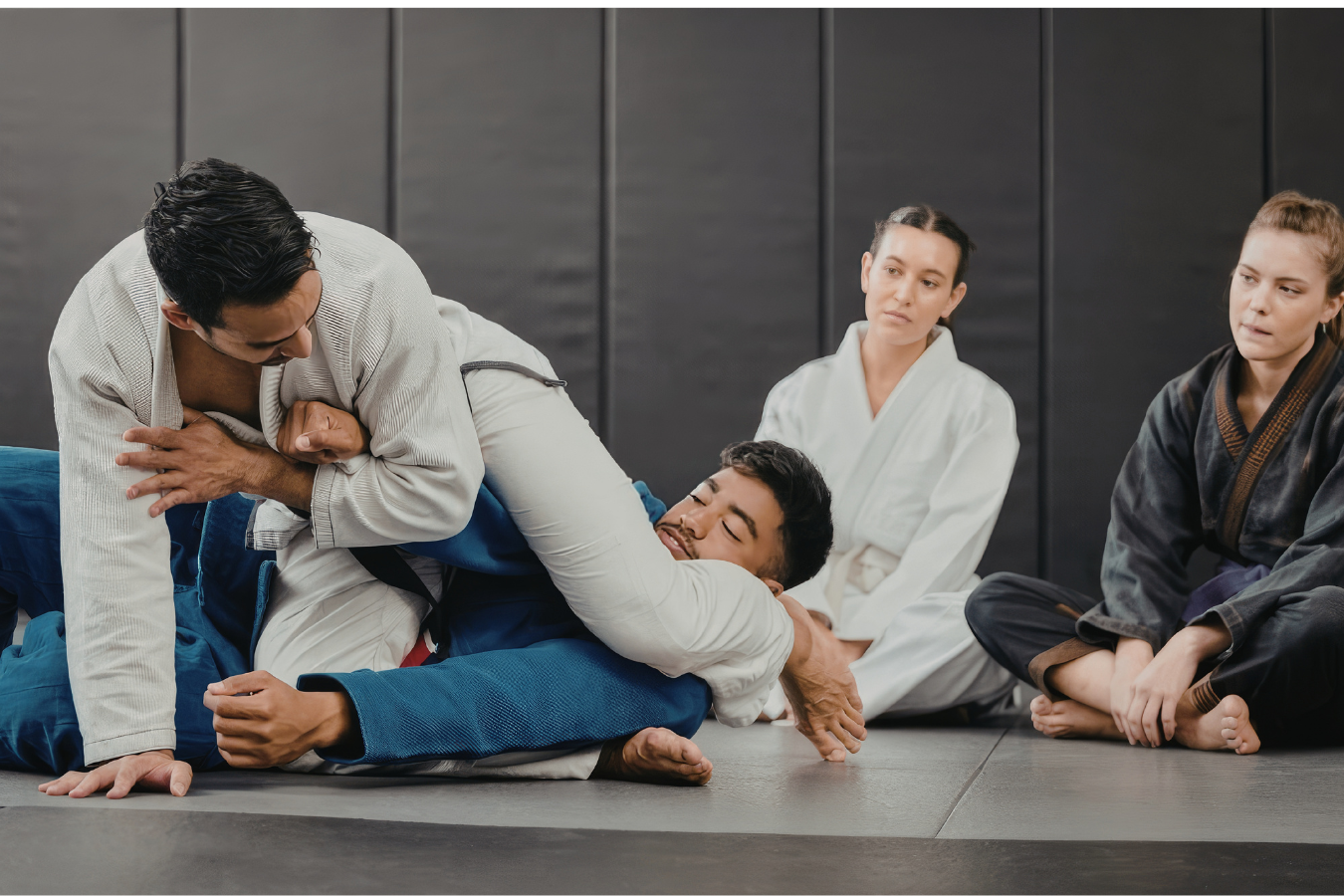
Parents deserve a clear picture of what happens on the mat, because trust matters. Our classes follow a predictable rhythm so kids feel safe and supported, and so you can see real progression over time.
You can generally expect:
• A structured warm-up that builds coordination and reduces injury risk
• A clear technique focus with simple cues kids can remember
• Partner drills that emphasize safety, respect, and controlled movement
• Supervised live practice when appropriate for the age group
• A closing routine that reinforces effort, attitude, and teamwork
We keep communication straightforward. If your child is shy, energetic, or easily frustrated, we can work with that. Those traits are not dealbreakers. They are starting points.
Safety, beginners, and how progress actually works
Safety is not a side note. It is part of good coaching. We teach students how to tap, how to control intensity, and how to be responsible partners. For kids, that means rules are clear and consistently enforced. For adults, that means learning to train with ego out of the way, because nobody improves when training turns into a contest every round.
How often should you train? Most beginners do well with two to three classes per week. That pace builds memory and confidence without burning you out. If your schedule is tight, even one consistent weekly class can create progress, especially when you approach it with intention.
What to bring to your first class
Keep it simple. Bring comfortable training clothes, water, and an open mind. If you are trying a Gi class, we can help you understand what gear you need and when. For kids, a small snack after class and a little downtime can help, because focus takes energy.
Ready to Begin
Building focus and positivity is not about hype. It is about practicing calm decisions under pressure, then carrying that skill into school, work, and home life. That is exactly what Jiu-Jitsu offers when training is structured, safe, and consistent.
At
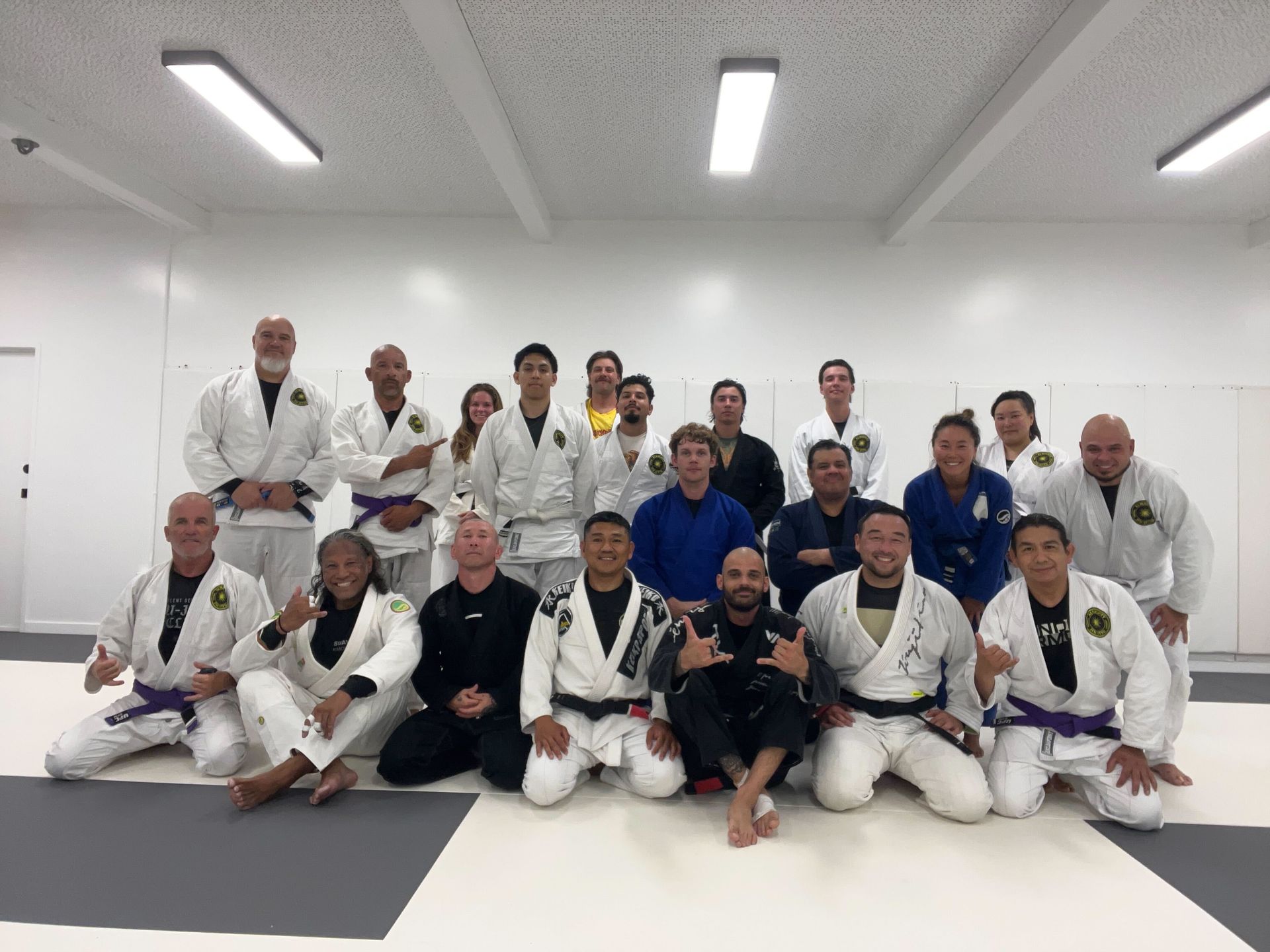
Almighty Jiu-Jitsu, we train right here in Huntington Beach, CA on Adams Ave, and we welcome families from across Orange County, including Fountain Valley, Costa Mesa, Newport Beach, and Westminster. If you want a program that supports kids ages 4 to 12, plus adult training options that include Gi, No-Gi, wrestling, Muay Thai, and self-defense, we are ready when you are.
Start your Jiu-Jitsu journey with a
free class at Almighty Jiu-Jitsu.